
Hiking and Camping in Black Bear Country
Food Storage Guidelines
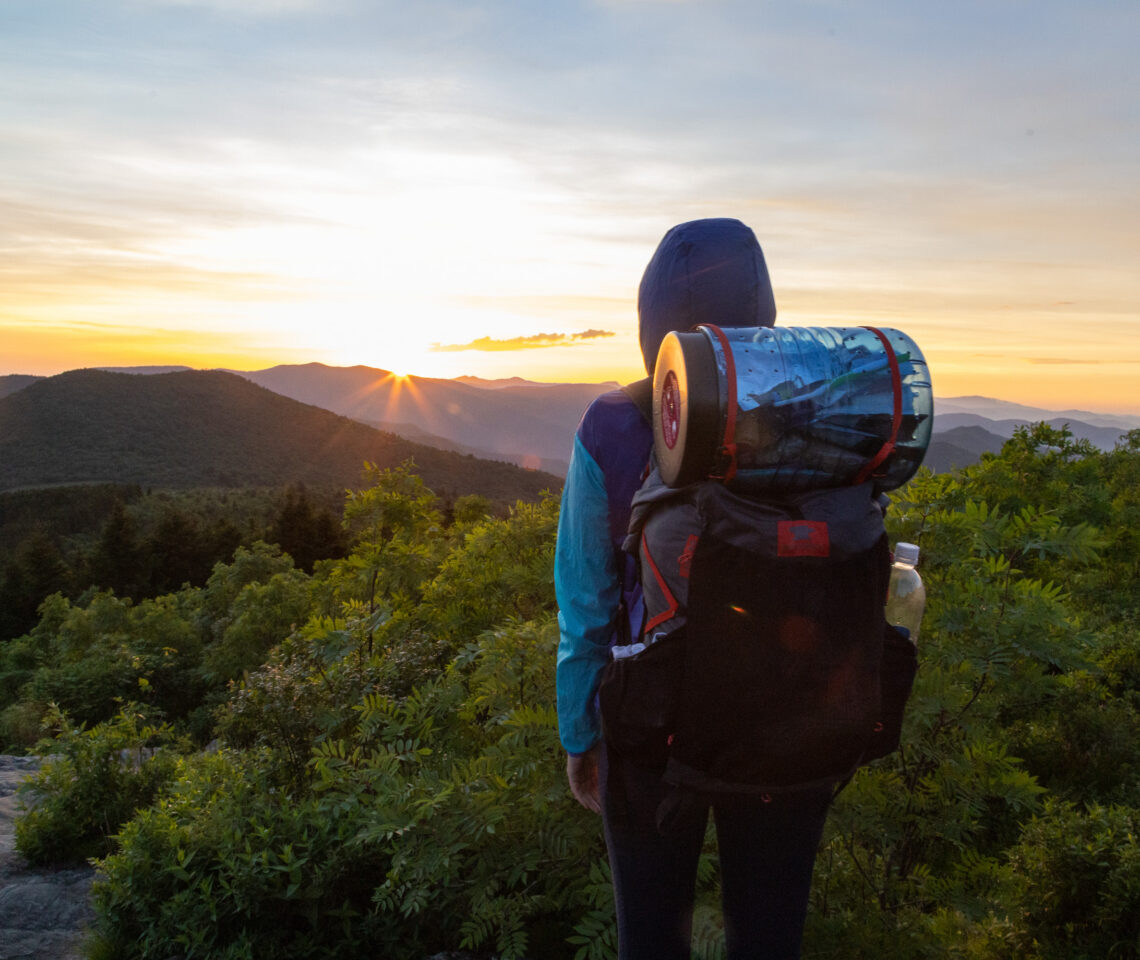
Effective January 1, 2027, any hiker camping overnight on the Appalachian Trail in Georgia is required to store all food, food containers, garbage, and toiletries in a hard-sided canister commercially manufactured specifically to resist entry by bears. This new order, issued by the Chattahoochee-Oconee National Forest, includes all national forest land within a half-mile of the A.T. Approach Trail and the Appalachian Trail in Georgia, and all shelters and campsites within the half-mile zone. View the order here.
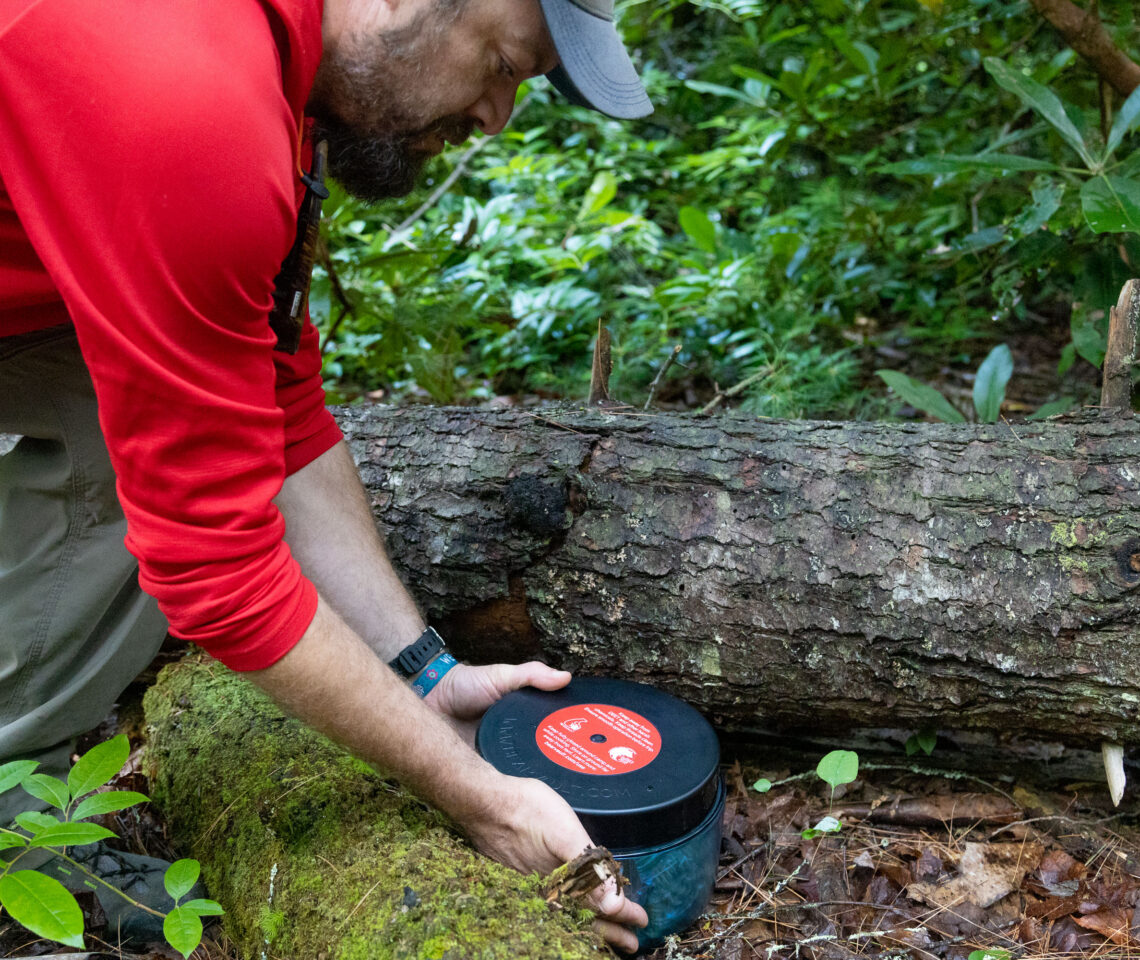
Hard-sided canisters are required everywhere within the half-mile buffer, including at shelters and official campsites that currently have bear boxes or cables. If there’s room in a bear box, you can store your canister there. Otherwise, remove all straps, cords, and bags before storing your fully locked canister at least 100 feet from campsites.

Why Are Canisters Required?
The bear population in Georgia has remained stable for the last decade, but conflicts between bears and humans have continued to increase. That is due in part to the increase in visitors, but also to our inability to ensure that bears are not accessing food and trash. Unfortunately, bears and other wildlife have been able to access food due to poor food storage, unattended food left on trails and at shelters, and trash left in fire rings and on trails. Over time, bears have learned to associate humans with easily accessible calories and are losing their natural fear of people. Georgia represents only 3.5% of the Appalachian Trail, but accounts for over 12% of bear incident reports.
“With the trail going through the heart of North Georgia’s black bear habitat, we want the hikers who flock here to understand how incredibly valuable these public lands are – for people and for wildlife,” says Forest Supervisor Judy Toppins. “Finding a balance that protects hikers, wildlife, and forest health is our goal. Hikers are visitors to bear habitat, and everyone needs to do their part.”
Hard-sided bear canisters are the most reliable and efficient method to keep bears and other wildlife from accessing food. Studies have shown that the use of bear canisters significantly reduces the number of conflicts between bears and humans. Carrying and properly using a bear canister is the best way for us to protect both wildlife and hikers.
Tips for Using a Bear Can
- Put all your food, trash, and toiletries inside your can. Don’t forget to check your pockets for those leftover snacks.
- Keep your bear can fully closed whenever you are not putting things in or getting things out.
- Place your bear can at least 100 feet away from your campsite.
- Do not place your bear can near steep slopes, cliffs or streams where it could be lost if an animal plays with it.
- Do not attach anything to your bear can when storing at night. Adding straps, cords, or bags makes it easy for bears to carry it away.
- Avoid wedging your bear can under rocks or roots making it immovable. This can allow a bear to use its full weight to break the can.
- You may want to place your cookpot or something on top so you will hear it if an animal starts playing with your can.